
Where SQE Trainees Are Underprepared in Practice
The SQE has introduced consistency in assessment, but it has also exposed a gap between qualification and real-world performance. Many trainees are entering practice without fully developed practical capability. Understanding where these gaps exist is the first step in addressing them.
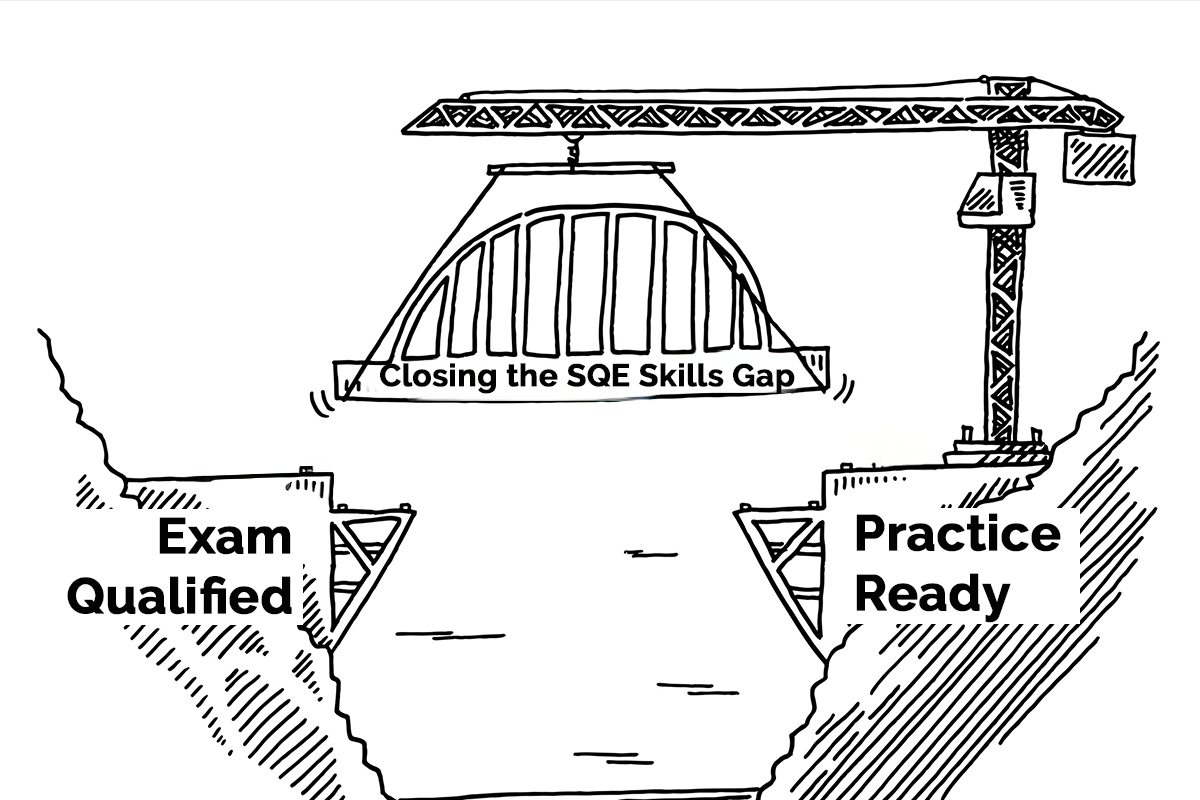
The gap between assessment and performance
The SQE is designed to ensure a consistent standard of legal knowledge and skills. It tests core competencies through structured assessments, particularly in SQE2. However, passing an assessment is not the same as being ready for practice. Many firms are now seeing a disconnect between:
- what trainees can demonstrate in an exam setting;
- what they can deliver in live client work.
This is not a failure of the SQE. It reflects the reality that professional capability is developed through repeated application, not assessment alone.
What has changed in trainee development
Under previous training models, structured seat rotations often ensured exposure to a range of work types, including contentious matters.
The SQE model has introduced greater flexibility:
- Qualifying Work Experience (QWE) can be gained across multiple organisations;
- exposure to specific types of work is no longer guaranteed;
- learning experiences can vary significantly between trainees.
This flexibility has benefits, but it also introduces variability. As a result, some trainees are qualifying with gaps in practical experience.
Where trainees are most underprepared
In practice, gaps tend to appear in areas that require judgement, confidence and applied experience rather than technical knowledge alone. Common areas include:
- Applying legal knowledge in real situations – Trainees may understand legal principles but struggle to apply them in messy, real-world scenarios where facts are incomplete or evolving.
- Managing matters end-to-end – Exposure to full case or transaction lifecycles is often limited. This affects a trainee’s ability to prioritise, sequence tasks and anticipate next steps.
- Communicating with clients – Client interaction requires clarity, tone and confidence. Without practice, trainees may lack assurance in how they present advice or manage expectations.
- Handling pressure and uncertainty – Live work introduces time pressure, ambiguity and competing demands. These conditions are difficult to replicate in assessment settings.
- Making professional judgements – Knowing what to do is different from knowing when and how to do it. Judgement develops through experience and feedback over time.
Why these gaps matter in practice
These capability gaps have practical implications for firms. They can lead to:
- increased supervision requirements post-qualification;
- slower progression to independent work;
- inconsistent performance across trainee cohorts.
From an L&D perspective, this creates pressure to bridge the gap after qualification, rather than building capability earlier.
For clients, it can affect:
- confidence in junior lawyers;
- consistency of service delivery;
- overall experience of the firm.
Bridging the gap through structured development
The key issue is not whether the SQE is sufficient, but how firms respond to the variability it introduces. A more structured approach to development can help address these gaps. This typically involves:
- ensuring exposure to core skill areas, regardless of seat allocation;
- providing opportunities for repeated practice in realistic scenarios;
- embedding feedback loops that support improvement over time;
- aligning training more closely with the realities of practice.
Structured programmes, such as litigation or skills-focused training, can play an important role in this process by creating consistent development experiences across trainee groups.
Connecting learning to real-world performance
The most effective training approaches focus on bridging the space between knowledge and performance. This means:
- moving beyond theoretical understanding;
- creating environments where trainees must apply skills;
- focusing on how work is actually carried out in practice.
Blended learning models are increasingly used to support this, combining:
- foundational knowledge development;
- scenario-based application;
- practical assessment and feedback.
This approach helps trainees build confidence and competence before they are required to perform in live client situations.
Key takeaways
- The SQE standardises assessment but not practical experience
- QWE variability means trainee exposure is inconsistent
- Capability gaps often appear in judgement, communication and applied skills
- These gaps affect both trainee development and firm performance
- Structured training helps bridge the gap between knowledge and practice
- Firms benefit from addressing capability earlier in the development cycle
Conclusion
The introduction of the SQE has improved consistency in how solicitors are assessed. However, it has also highlighted the difference between passing an exam and being ready for practice.
For firms, the challenge is now clear. Capability cannot be assumed based on qualification alone. It must be developed through structured, practical experience.
By identifying where trainees are underprepared, L&D teams can design more effective training approaches that support real-world readiness, not just exam success.
Further Information
If your firm is reviewing how to support trainees within the SQE framework, it may be useful to consider where practical capability gaps are emerging and how they can be addressed through structured development.
We would be happy to share examples of how firms are approaching this in practice.
CONTINUE READING
Read Other Articles in This Series
Previous Article

Why eLearning Is a Practical Solution for SQE and QWE Training
Next Article

Why Trainee Litigation Programmes Still Matter in the SQE Era
Explore Related Topics

Setting the standard: Effective supervision in QWE
Recommended Next Step
The Changing Qualification Pathway for Lawyers (SQE & QWE)
