
How Law Firms Are Responding to the SQE Skills Gap
As the SQE pathway becomes embedded, law firms are actively reassessing how early-career capability is developed. This article explores how L&D teams are responding to emerging skills gaps and what this reveals about evolving training priorities.

A Shift from Assumption to Active Review
The introduction of the SQE has prompted firms to reconsider a long-standing assumption: that qualification broadly equates to readiness for practice.
In reality, many firms are now reviewing their early-career development models more closely, driven by a need to understand how capability is developing under the new pathway.
This shift has led to a more active, evidence-led approach to training and development.
What Firms Are Trying to Understand
Across the sector, L&D and talent teams are focusing on a consistent set of questions:
- Where are the most significant capability gaps emerging?
- How does the SQE pathway compare to the LPC route in practice?
- What is happening to supervision loads and time to independence?
- Which development interventions are having the greatest impact?
These questions reflect a move away from theoretical debate towards practical evaluation.
Early Themes from Across the Market
While firm contexts differ, several common themes are emerging.
- Applied skills require reinforcement – There is a clear focus on strengthening practical skills such as drafting, advocacy and client interaction.
- Development is becoming more structured – Firms are introducing more formal development frameworks, rather than relying on informal supervision alone.
- Expectations are being clarified – There is a growing emphasis on defining what is expected at trainee and NQ level.
- Investment is increasing- Many firms are allocating additional resources to early-career development, particularly post-qualification.
The Role of Data and Insight
One of the most notable changes is the increased use of data to inform development decisions.
Firms are seeking to:
- gather feedback from supervisors and trainees
- identify recurring performance patterns
- benchmark their experience against the wider market
This reflects a broader shift towards evidence-based L&D.
Moving Beyond Qualification as a Proxy for Capability
The SQE has reinforced an important distinction:
Passing an assessment does not guarantee readiness to perform in a specific organisational context.
As a result, firms are placing greater emphasis on:
- capability development after qualification
- ongoing skills reinforcement during QWE
- structured progression into NQ roles
This represents a change in mindset as much as a change in process.
What This Means for Training Design
For L&D teams, the focus is shifting towards more integrated development models.
These typically include:
- structured skills programmes during QWE
- targeted post-qualification development
- closer alignment between supervision and training
- clearer frameworks for capability progression
The objective is to create a more consistent pathway from qualification to effective practice.
Key Takeaways
- Firms are actively reviewing early-career development under the SQE
- There is a growing focus on applied skills and practical capability
- Development is becoming more structured and evidence-led
- Qualification is no longer treated as a proxy for readiness
- Investment in post-qualification development is increasing
Conclusion
The SQE has prompted a fundamental rethink of how capability is developed in early-career lawyers.
Firms are moving towards more structured, data-informed approaches that better reflect the realities of practice.
This shift is likely to continue as more SQE cohorts progress through qualification and into NQ roles.
If your firm is reviewing its approach to early-career development, it may be useful to consider how capability is currently assessed, supported and measured across the SQE pathway.
CONTINUE READING
Read Other Articles in This Series
Previous Article
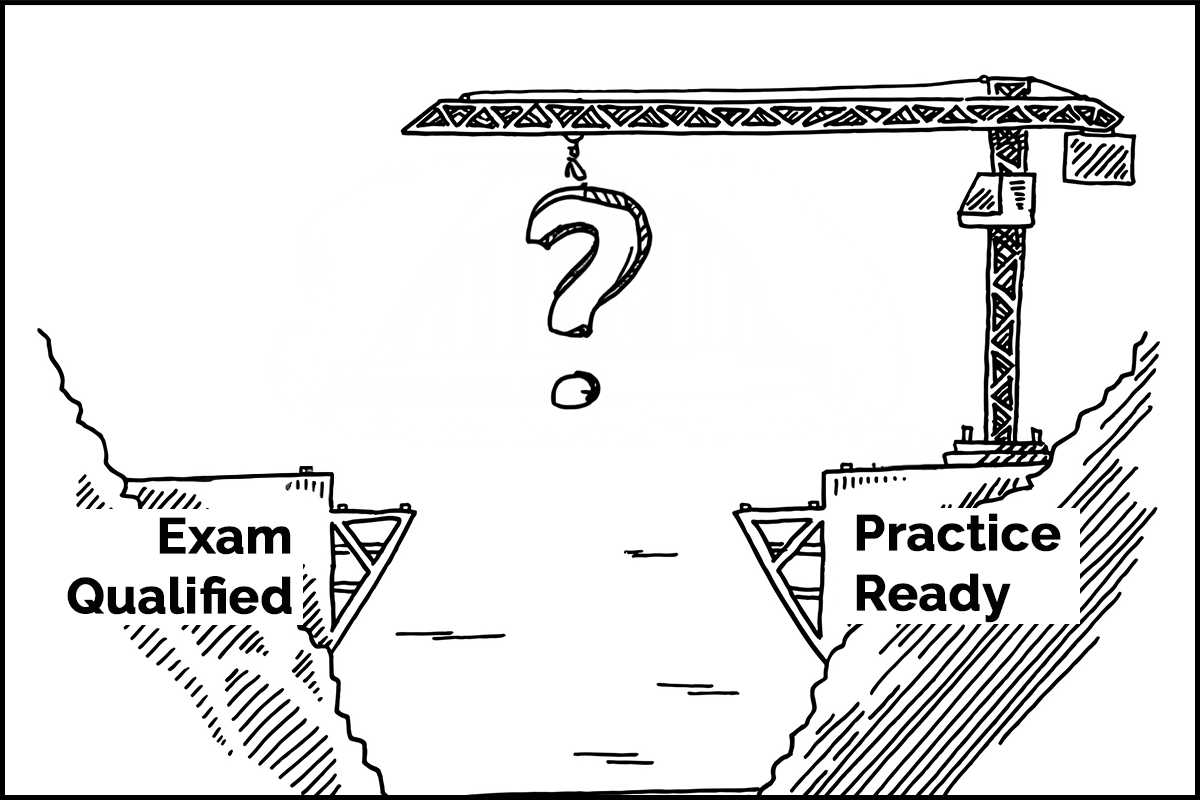
Closing the SQE Skills Gap: Why Qualification Does Not Yet Mean Practice Readiness
Next Article
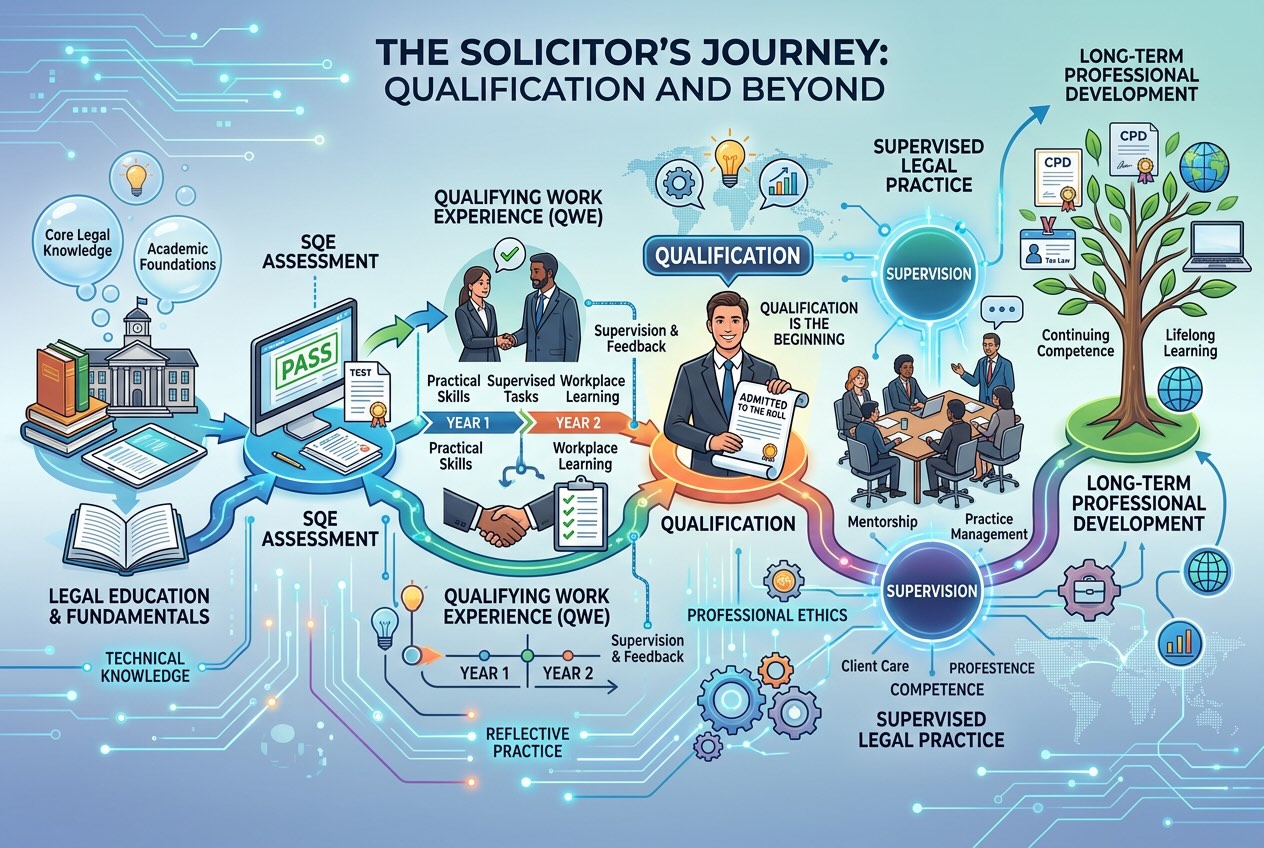
The Changing Qualification Pathway for Lawyers (SQE & QWE)
Explore Related Topics

Setting the standard: Effective supervision in QWE
Recommended Next Step
Early Findings from the SQE: What Firms Are Seeing in Practice
