
Early Findings from the SQE: What Firms Are Seeing in Practice
Initial findings from across the legal sector suggest a clear pattern: while the SQE is delivering consistent assessment, the transition to practice remains uneven. This article examines early observations from firms and what they reveal about capability development under the SQE pathway.
From Expectation to Experience
As SQE-qualified cohorts move into practice, firms are beginning to form a clearer view of how the new pathway is performing. While it is still early, the consistency of feedback across firms is notable. The emerging picture is not one of failure, but of adjustment.
The Headline Finding
The most widely reported observation is straightforward:
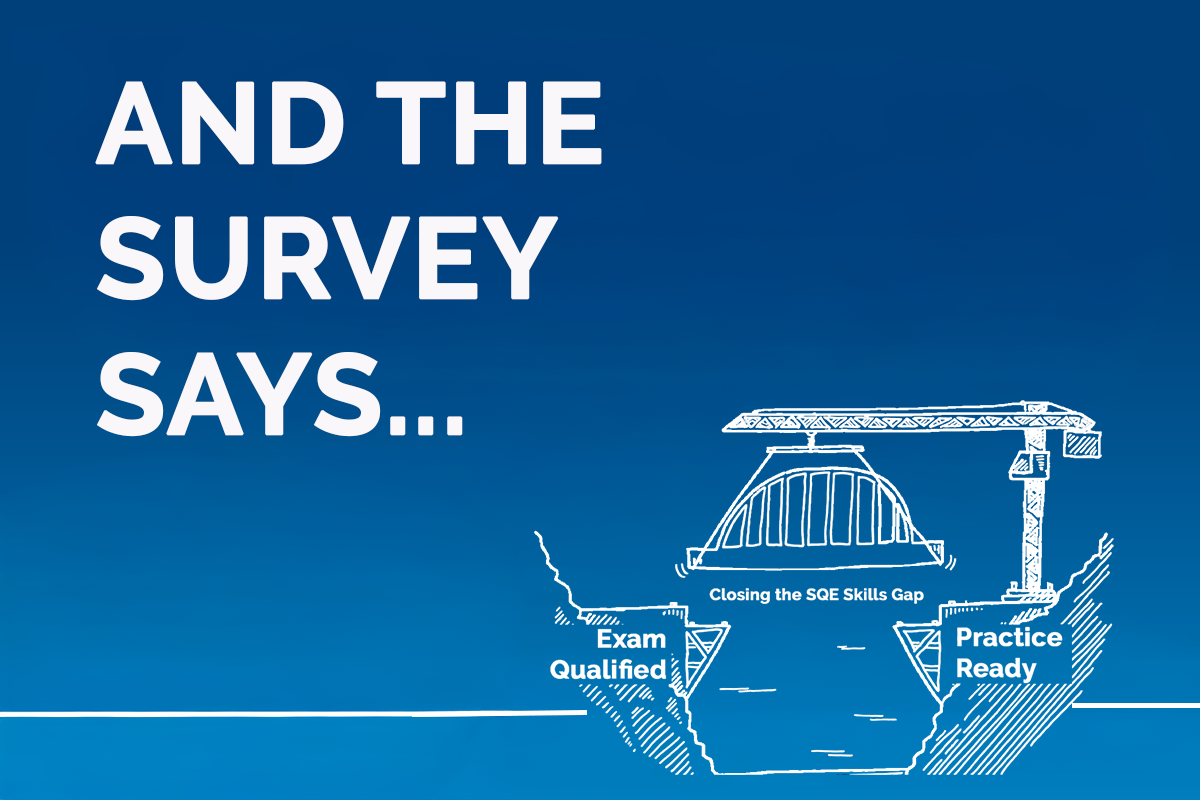
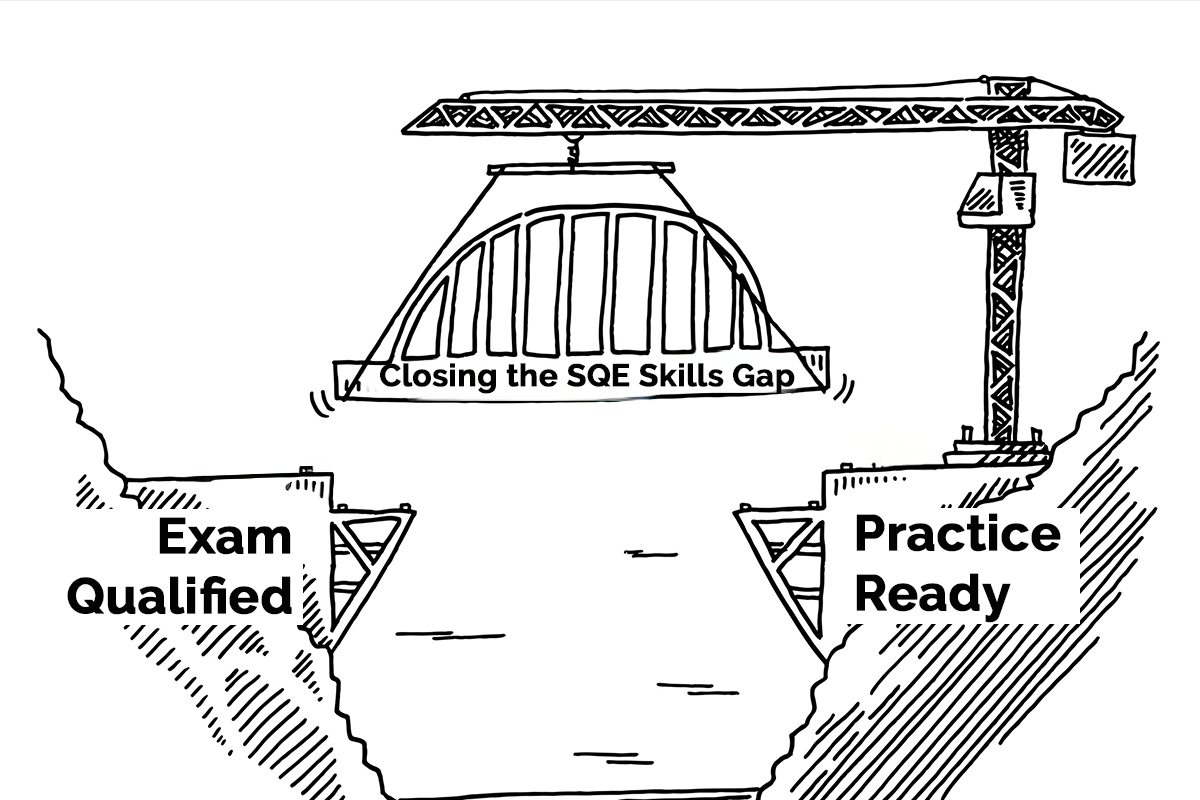
“The SQE is producing qualified solicitors—but not yet consistently practice-ready ones.”
This reflects a gap between assessment and applied capability, particularly in the early stages of post-qualification work.
Where Firms Are Seeing the Gap
Across firms, several patterns are emerging.
- Capability gaps in applied skills – Firms report that newly qualified solicitors often require further development in areas such as drafting, advocacy and professional judgement.
- Increased reliance on supervision – Supervisors are playing a more active role in supporting early-career lawyers, particularly in the first months post-qualification.
- Variation between individuals – There is greater variability in readiness levels, reflecting differences in experience gained during QWE.
The Importance of Structured Development
One of the clearest insights from early findings is the role of structured development in addressing these challenges. Firms that have introduced:
- formal skills programmes
- structured feedback mechanisms
- targeted post-qualification support
are reporting more consistent capability development.
By contrast, firms relying primarily on informal supervision are seeing more variability in outcomes.
The Role of the Training Period
Another important observation is the continued value of structured development during the training period.
Firms report that individuals who have benefited from consistent training during their two-year QWE or training contract period tend to demonstrate stronger early performance.
This reinforces the importance of embedding development throughout the early-career journey, rather than concentrating it at a single point.
Implications for L&D Teams
For L&D teams, these early findings highlight several priorities:
- strengthening applied skills development during QWE
- introducing structured post-qualification programmes
- supporting supervisors with clear frameworks and expectations
- reducing variability in early-career capability
These are practical responses to observed patterns, not theoretical considerations.
Key Takeaways
- Early SQE cohorts show variability in practice readiness
- Capability gaps are most evident in applied skills and judgement
- Supervision demands have increased in early-stage practice
- Structured development improves consistency of outcomes
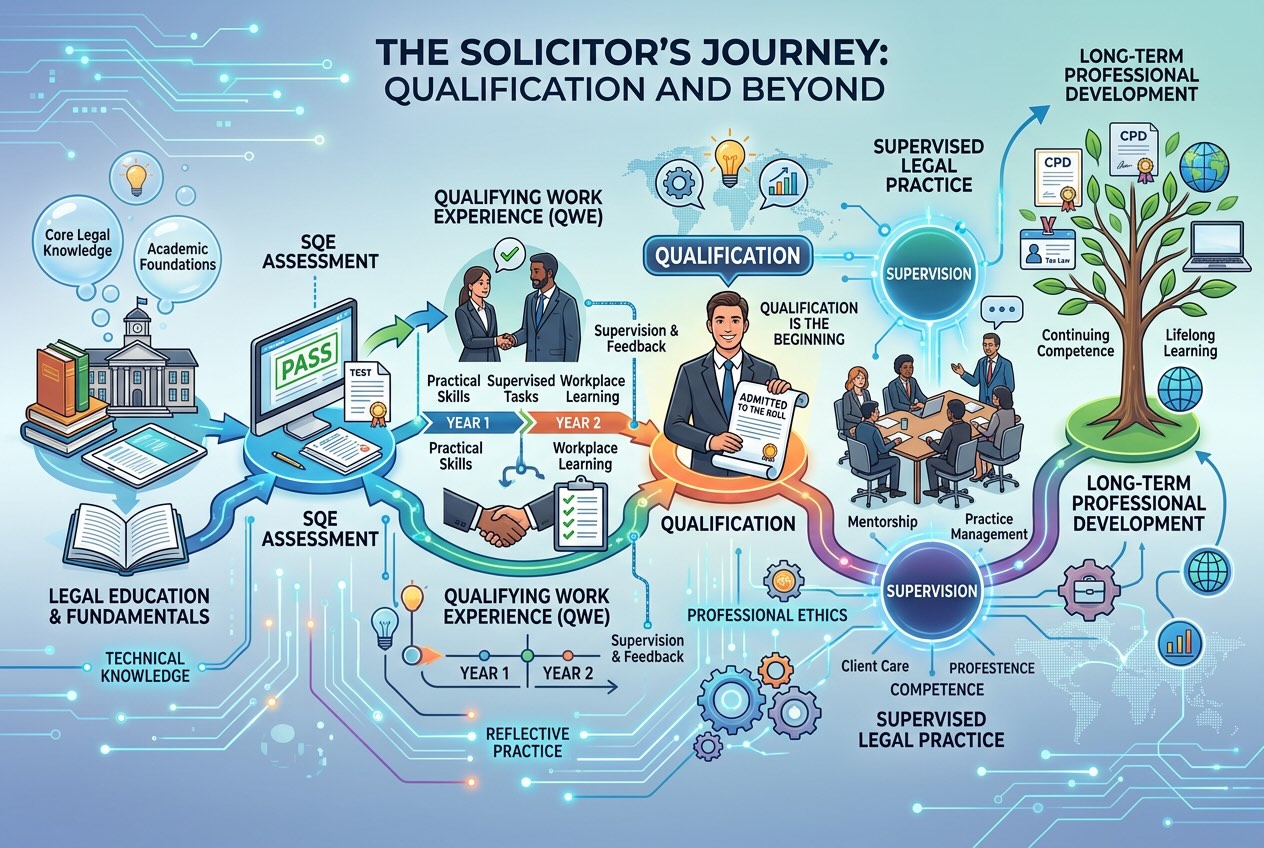
- Continuous development across QWE and new qualified stages is critical
Conclusion
Early evidence from firms suggests that the SQE has changed how capability is developed, rather than reducing the need for development. As more cohorts progress through the system, the importance of structured, continuous development will become increasingly clear. Firms that respond early are likely to see more consistent outcomes and stronger early-career performance.
If you are reviewing how SQE-qualified trainees transition into practice, it may be useful to assess where structured development could improve consistency and support earlier progression to independence.
CONTINUE READING
Read Other Articles in This Series
Previous Article
The Changing Qualification Pathway for Lawyers (SQE & QWE)
Next Article
SQE Practice Readiness: What the Data Means for Law Firms
Explore Related Topics

Setting the standard: Effective supervision in QWE
Recommended Next Step
-
Where SQE Trainees Are Underprepared in Practice
