
SQE Practice Readiness: What the Data Means for Law Firms
Emerging data from across the legal sector confirms a consistent message: qualification under the SQE does not yet equate to practice readiness. Understanding what this means in practice is essential for firms managing early-career development.
First Published 21 April 2026.
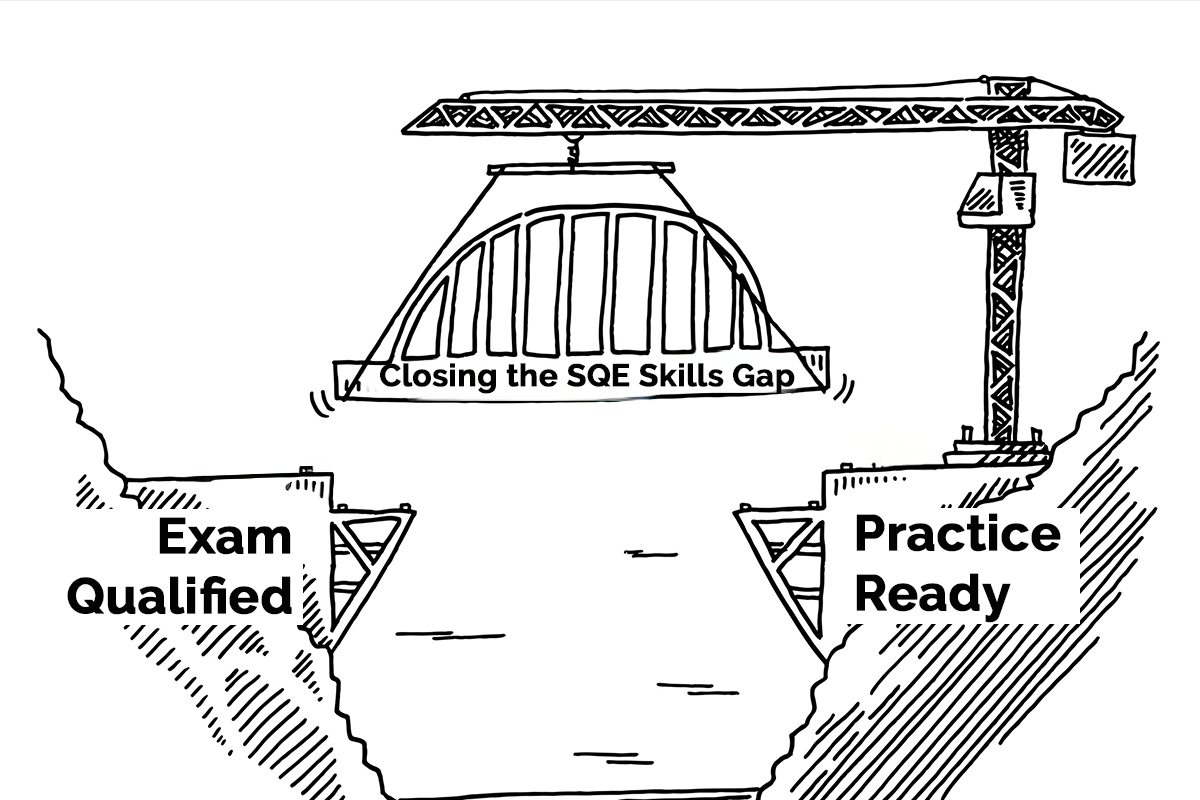
From survey insight to sector evidence
Across the profession, firms are reporting a similar experience. The SQE has introduced consistency in assessment, but variability in practical capability remains. Recent benchmarking data and firm-level feedback reinforce a clear message:
“Qualification demonstrates knowledge. It does not guarantee readiness for practice.”
The core finding: readiness remains uneven
A consistent theme emerging from firms is that newly qualified solicitors are not always operating at the level expected on day one. This is not a reflection of individual ability, but reflects how capability is now developed.
While the SQE assesses knowledge and core skills, many aspects of practice readiness depend on experience, supervision and structured development over time.
Where the capability gaps sit
The most consistent gaps identified are in applied skills rather than legal knowledge. These include:
- drafting and written communication;
- advocacy, interviewing and negotiation;
- commercial awareness and financial understanding;
- professional judgement and decision-making.
Firms also report uncertainty around role expectations and hesitancy in taking ownership at NQ level.
The operational impact on firms
These gaps have direct implications for how firms operate. Common impacts include:
- Increased supervision – Supervisors are spending more time reviewing work and providing support.
- Slower progression to independence – Time to autonomous working is often longer and less predictable.
- Reduced certainty in workforce planning – Firms have less visibility over when NQs will reach expected levels of capability.
These are operational issues that affect utilisation, capacity and client delivery.
What the data shows about effective responses
One of the most important insights is not just the presence of the gap, but how firms are responding.
Firms introducing structured development beyond qualification are seeing stronger early capability, particularly in:
- communication and client interaction;
- interpersonal effectiveness;
- personal organisation and resilience.
The pattern is consistent; capability develops more quickly where development is structured and intentional.
The shift in responsibility
Under the SQE model, responsibility for developing practice capability has shifted more directly to employers.
Elements that were previously embedded within training contracts and structured courses are no longer guaranteed.
Firms now need to define:
- what practice-ready looks like internally;
- how capability is developed;
- how progression is measured.
What this means in practice
The implication is not simply that more training is required, but that development needs to be more deliberately structured.
Effective approaches typically include:
- Core capability development – Focused reinforcement of essential skills such as drafting, communication and professional judgement.
- Practice-aligned development – Training linked to the demands of specific practice areas.
- Structured supervision and feedback – Clear expectations and consistent feedback frameworks.
- Progressive capability building – Development that continues beyond qualification and supports the transition to independent practice.
This reflects a shift from isolated interventions to a more coherent development approach.
A practical implication for L&D teams
For L&D teams, the focus is not on increasing training volume, but on improving structure.
This means introducing development that:
- extends beyond qualification;
- aligns with firm-specific expectations;
- integrates supervision, feedback and practice.
Without this, development risks becoming reactive and inconsistent.
Key takeaways
- The SQE standardises assessment, but not practice readiness
- Capability gaps are most evident in applied skills and judgement
- Firms are experiencing increased supervision and slower progression
- Structured development improves early capability
- Clear frameworks are required to support NQ progression
Conclusion
The SQE has improved consistency at the point of qualification, but it has not removed the need for structured capability development.
For firms, the challenge is to ensure that early-career lawyers develop the skills and judgement required for effective practice.
Those that respond with clear, structured approaches are better positioned to support progression, reduce supervision pressure and maintain consistency in client delivery.
Further Information
If your firm is reviewing how practice readiness is assessed and developed post-qualification, it may be useful to consider how structured development frameworks can support more consistent outcomes.
CONTINUE READING
Read Other Articles in This Series
Previous Article
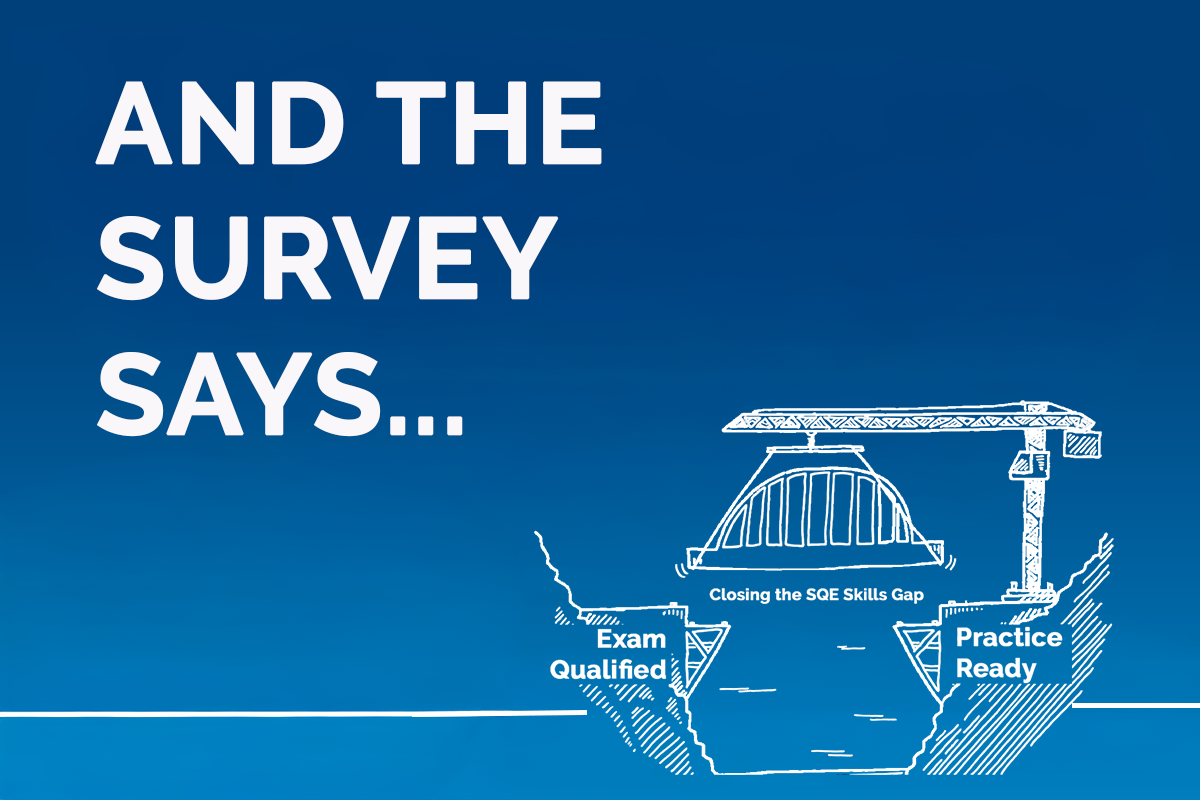
Early Findings from the SQE: What Firms Are Seeing in Practice
Next Article

Why eLearning Is a Practical Solution for SQE and QWE Training
Explore Related Topics

Setting the standard: Effective supervision in QWE
Recommended Next Step
-
Where SQE Trainees Are Underprepared in Practice
